Mummy Tummy
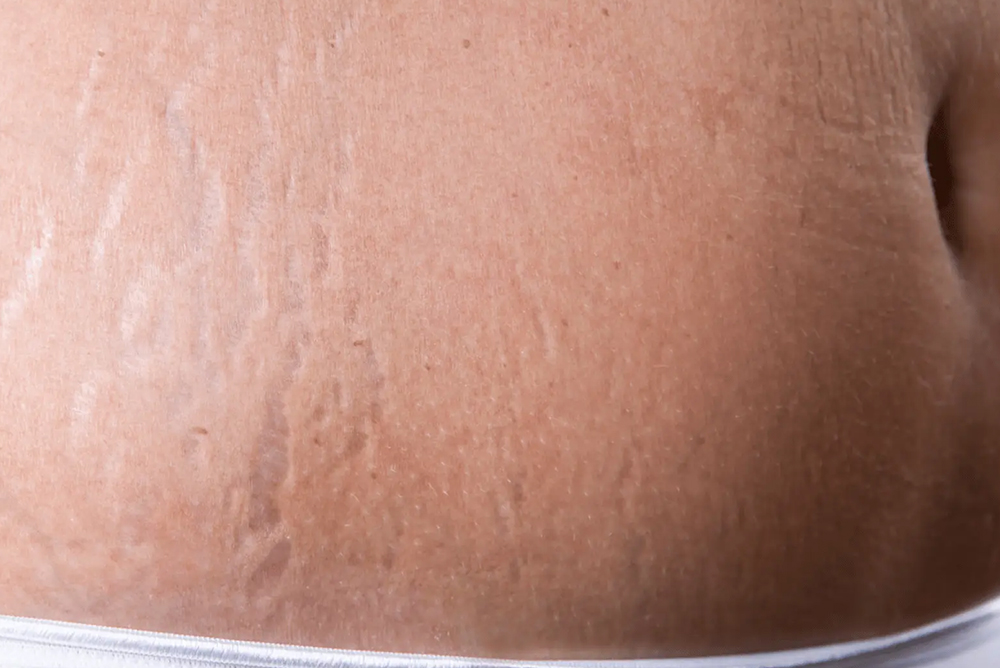
Skin tightening treatment for the stomach to improve the appearance of stretchmarks and tighten loose skin.
Additional Services
What Is Mummy Tummy?
Mummy tummy, also known as post-pregnancy belly or diastasis recti, refers to the abdominal area that retains a rounded or protruding shape after childbirth. It occurs when the right and left sides of the rectus abdominis muscles separate. This separation happens when pressure is placed on the abdominal wall, commonly during pregnancy as the uterus expands. The condition may present as a belly that does not flatten despite regular exercise and a healthy diet.
Although often associated with pregnancy, diastasis recti can also occur due to weight gain or other factors that increase abdominal pressure. The separation develops when the linea alba, the connective tissue running down the center of the abdomen, stretches under strain.
Causes and Rehabilitation
Diastasis recti can be influenced by pregnancy, weight gain, lack of physical activity, and genetics. Rapid or significant weight gain increases abdominal pressure and may stretch connective tissue. Weak abdominal muscles and poor posture can contribute to the condition, as they reduce the core’s ability to manage intra-abdominal pressure. Genetics also play a role, as collagen and elastin production affect how connective tissue responds to strain.
Exercise is important in rehabilitation. Strengthening the core, engaging the pelvic floor, activating the transverse abdominis, and maintaining proper posture can support muscle function and stability. Pelvic floor activations, deep core engagement, and postural correction are commonly recommended approaches.
Our Process
-
Assessment
The treatment area and skin condition are reviewed to understand the concern.
-
Treatment Selection
Appropriate treatment options are identified based on the condition and skin type.
-
Treatment and Care
Treatment is performed, and post-treatment care instructions are provided.
Our Services
Mommy Tummy Treatment
Focuses on belly changes after pregnancy, including loose skin or fullness.
FAQS
Frequently Asked Questions
It is the separation of the right and left sides of the rectus abdominis muscles.
No, it can also occur due to weight gain and increased abdominal pressure.
Genetics influence collagen and elastin production, which affect connective tissue strength and elasticity.
Core strengthening and pelvic floor activation can support muscle function and stabilit
Poor posture can place additional strain on the abdominal wall and contribute to muscle separation.