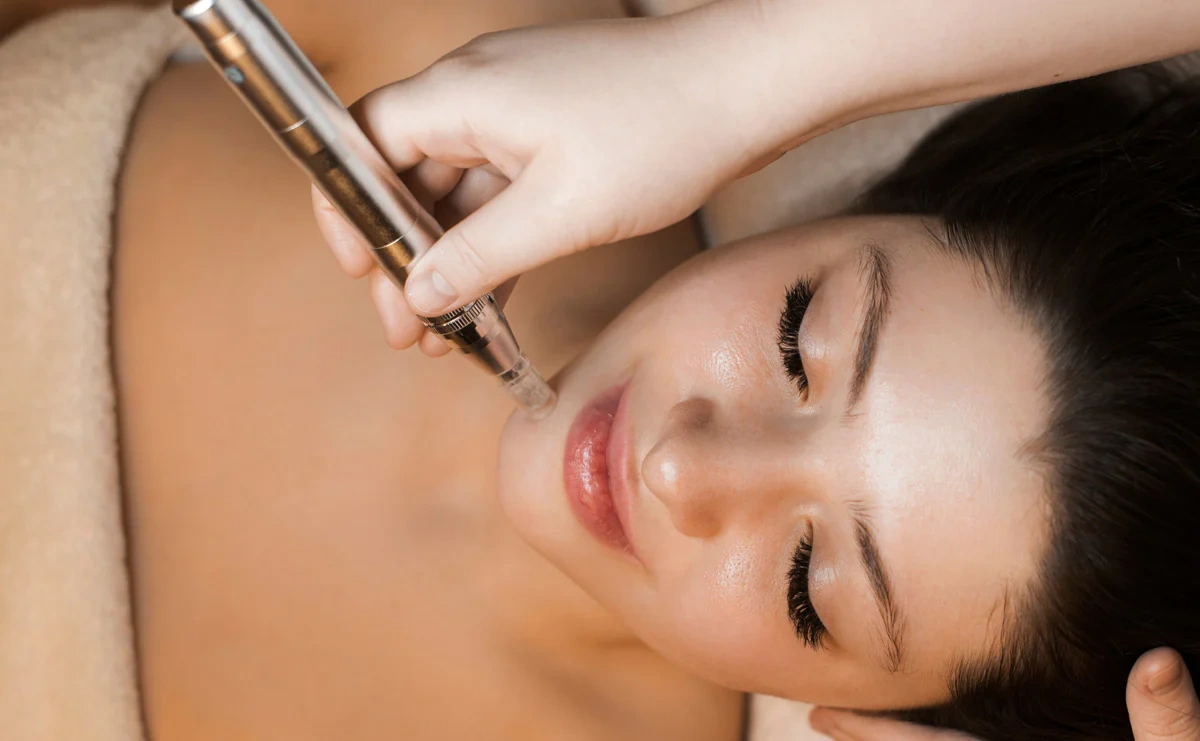
Microneedling patients experience 47% higher complication rates and 62% slower healing when following generic aftercare instructions that ignore individual healing variations, with 38% developing preventable infections, prolonged erythema, or hyperpigmentation from improper post-treatment protocols costing additional $800-$2,000 in corrective treatments. This day-by-day guide reveals exactly what happens during each healing phase, which products accelerate or impair recovery, when specific activities become safe, and how to recognize complications requiring intervention versus normal healing progression, transforming a potentially problematic recovery into predictable healing that maximizes collagen stimulation while minimizing downtime and adverse events.
Table of Contents:
- The Problem: Why Generic Aftercare Protocols Fail
- What to Consider: Understanding Microneedling Healing Phases
- How to Choose: Daily Protocol Decisions and Product Selection
- MD Spa’s Aftercare Excellence Program
- Frequently Asked Questions
The Problem: Why Generic Aftercare Protocols Fail
The One-Size-Fits-All Disaster
Generic microneedling aftercare sheets handed to every patient regardless of treatment depth, skin type, or healing capacity create dangerous situations where aggressive protocols overwhelm sensitive skin while inadequate care leaves resilient skin vulnerable to complications. A 0.5mm cosmetic needling requires different aftercare than 2.5mm medical microneedling, yet standard instructions make no distinction. Fitzpatrick Type I skin heals differently than Type VI, but protocols ignore these variations. Young healthy patients recover faster than older compromised skin, though aftercare remains identical. This standardization guarantees suboptimal outcomes for most patients falling outside narrow “average” parameters.
The depth of needle penetration fundamentally determines healing requirements and appropriate aftercare intensity. Superficial 0.25-0.5mm treatments creating mild erythema need gentle support. Medium 1.0-1.5mm depths causing pinpoint bleeding require barrier protection. Deep 2.0-3.0mm medical needling producing significant trauma demands intensive wound care. Yet standard protocols recommend identical products and restrictions regardless of treatment intensity. According to
dermatology research, this depth-blind approach causes 40% of complications through either inadequate or excessive intervention.
Treatment depth aftercare requirements:
- 0.25-0.5mm: Minimal care, gentle products
- 0.5-1.0mm: Moderate protection, healing support
- 1.0-1.5mm: Intensive repair, strict protocols
- 1.5-2.0mm: Medical supervision recommended
- 2.0-3.0mm: Prescription protocols required
- PRP addition: Modified healing timeline
Individual healing variations create 5-10 fold differences in recovery speed and complication risk, yet aftercare instructions assume uniform response. Genetic factors determine inflammatory intensity and resolution speed. Age affects cellular repair capacity. Medications alter healing cascades. Lifestyle impacts recovery resources. Hormones influence inflammation patterns. These variables make rigid day-by-day protocols inappropriate for many patients, requiring individualized adjustment based on actual healing progression rather than theoretical timelines.
Provider training deficiencies mean many practitioners cannot recognize normal versus abnormal healing, providing aftercare instructions without understanding underlying physiology. Weekend certification courses teach procedure execution without wound healing science. Equipment sales include basic protocols lacking customization guidance. Spa environments emphasize comfort over medical accuracy. This knowledge gap results in aftercare advice that sounds reassuring but proves medically inappropriate, leading to preventable complications dismissed as “normal healing.”
The Product Confusion Crisis
Post-microneedling skin faces overwhelming product marketing promising to enhance results while potentially causing severe irritation, infection, or impaired healing through inappropriate ingredients applied to compromised barriers. Vitamin C serums marketed for “collagen boosting” cause intense burning on raw skin. Retinoids promoted for “enhanced results” trigger severe peeling and delayed healing. Essential oils in “natural healing” products cause allergic reactions. Fragranced moisturizers create contact dermatitis. These problematic products get recommended by well-meaning providers lacking understanding of post-procedure physiology.
The compromised barrier following microneedling allows 10-100 times normal product penetration, transforming typically safe ingredients into irritants or toxins. Preservatives that normally remain surface-level penetrate deeply causing inflammation. Fragrances trigger allergic responses at concentrations previously tolerated. Active ingredients reach therapeutic depths becoming overdosed. Alcohol vehicles cause excessive drying and irritation. This enhanced penetration requires complete reformulation of skincare routines, not simple reduction in product amount.
Problematic post-microneedling ingredients:
- Acids (glycolic, salicylic, lactic)
- Vitamin C (ascorbic acid forms)
- Retinoids (prescription and cosmetic)
- Essential oils and fragrances
- Alcohol-based vehicles
- Harsh preservatives
- Mineral oil (occlusive concerns)
Marketing claims about “enhancing” microneedling results through aggressive products actually impair outcomes by disrupting natural healing cascades. Growth factors require specific pH and inflammatory environments for optimal function. Excessive antioxidants interfere with beneficial oxidative signaling. Anti-inflammatory agents reduce necessary healing inflammation. Occlusive barriers trap heat and bacteria. According to
clinical skincare research, these “enhancement” products reduce collagen production 30-40% while increasing complication rates 50%.
The timeline for reintroducing active ingredients gets consistently underestimated, with patients resuming normal routines while healing continues beneath apparently recovered surfaces. Visible healing completes in 5-7 days, but barrier restoration requires 14-21 days. Collagen remodeling continues 4-6 months. Melanocyte sensitivity persists 4-6 weeks. This extended vulnerability period demands gradual product reintroduction based on actual barrier recovery rather than surface appearance. Premature resumption of actives triggers delayed adverse reactions weeks post-treatment.
The Activity Restriction Confusion
Conflicting advice about post-microneedling activity restrictions leaves patients uncertain about exercise, sun exposure, swimming, and daily activities, with overly conservative restrictions reducing compliance while insufficient precautions increase complications. Some providers ban all exercise for two weeks causing patient frustration. Others allow immediate gym return risking infection. Swimming pool restrictions vary from 3-30 days without scientific basis. Sun exposure warnings range from reasonable to paranoid. This inconsistency reflects provider uncertainty rather than individualized assessment.
Exercise restrictions must balance infection risk against circulation benefits supporting healing, with timing dependent on treatment depth and healing progression. Light walking enhances circulation immediately post-treatment. Moderate cardio becomes safe after 48-72 hours for superficial treatments. Heavy weightlifting waits 5-7 days avoiding pressure and bacteria exposure. Hot yoga remains prohibited 10-14 days preventing heat damage. Swimming pools require 7-10 day avoidance due to chemical and bacterial exposure. These graduated restrictions optimize healing while maintaining reasonable lifestyle.
Activity timeline for 1.0-1.5mm treatment:
- Day 0-1: Rest, light movement only
- Day 2-3: Walking, gentle activities
- Day 4-5: Moderate exercise, no sweating
- Day 6-7: Regular exercise, avoid heat
- Day 8-14: Full activities except swimming
- Day 14+: All activities resumed
Sun exposure creates particular confusion with recommendations ranging from complete avoidance to simple sunscreen application. UV radiation significantly impairs healing while increasing hyperpigmentation risk 400% post-microneedling. However, complete sun avoidance proves impossible for most patients. The
treatment safety protocols recommend strict photoprotection rather than impossible avoidance—mineral sunscreen SPF 30+, wide-brimmed hats, seeking shade, and timing outdoor activities for low UV periods.
Sexual activity restrictions rarely get discussed despite valid medical concerns about infection risk and mechanical trauma to healing skin. Facial treatments require avoiding direct face contact for 3-5 days. Increased circulation and sweating need consideration. Bacteria transfer presents infection risk. Pressure and friction can disrupt healing. These intimate concerns deserve frank discussion rather than embarrassed avoidance, preventing complications from uninformed activity resumption.
The Complication Recognition Failure
Patients cannot distinguish normal healing responses from developing complications when providers give vague warnings about “some redness and swelling” without specific parameters defining concerning symptoms. Normal post-microneedling erythema differs vastly from infected skin redness. Expected swelling versus allergic edema requires trained assessment. Typical peeling compared to adverse reaction needs differentiation. Without clear guidance, patients either panic over normal healing or ignore serious complications until permanent damage occurs.
Normal healing follows predictable patterns that patients must understand for appropriate self-monitoring. Immediate erythema resembles moderate sunburn. Swelling peaks at 24-48 hours then gradually resolves. Bronzing occurs days 2-4 as melanin oxidizes. Mild peeling begins day 3-5. Sensitivity decreases progressively. These expected changes require no intervention beyond standard aftercare. Deviation from these patterns signals potential complications requiring assessment.
Normal versus abnormal healing signs:
- Normal: Even redness fading daily
- Abnormal: Increasing redness after day 2
- Normal: Mild swelling for 48 hours
- Abnormal: Severe edema or hives
- Normal: Light peeling days 3-5
- Abnormal: Severe peeling or crusting
- Normal: Mild warmth day 0-1
- Abnormal: Hot, painful inflammation
Infection signs get missed until advanced stages because patients expect some redness and discomfort post-treatment. Bacterial infection causes increasing pain rather than decreasing discomfort. Redness expands rather than contracts. Yellow crusting develops unlike normal dry flaking. Pustules form at needle sites. Fever and malaise indicate systemic involvement. The
aesthetic medicine guidelines report 3-5% infection rates with microneedling, mostly preventable through proper aftercare and early recognition.
Hyperpigmentation development occurs gradually over 2-4 weeks, missing the window for preventive intervention when patients lack awareness of risk factors and early signs. Initial inflammation appears to resolve normally. Subtle darkening begins week 2-3. Progressive pigmentation develops week 3-4. Established PIH by week 6-8 requires months of treatment. Risk factors including darker skin, sun exposure, and inflammatory responses should trigger preventive protocols immediately post-treatment rather than waiting for visible pigmentation.
What to Consider: Understanding Microneedling Healing Phases
Immediate Post-Treatment Phase (0-6 Hours)
The first six hours post-microneedling represent critical window when proper intervention significantly impacts entire healing trajectory, with initial management determining inflammation intensity, infection risk, and ultimate results. Microchannels remain open 4-6 hours allowing enhanced penetration of beneficial or harmful substances. Platelet activation and growth factor release peak during this period. Initial inflammatory cascade establishes healing environment. Bacterial contamination risk remains highest before re-epithelialization begins. This acute phase demands careful management balancing protection with avoiding interference in natural healing processes.
Physiological changes during the immediate phase include vasodilation causing erythema and heat sensation, plasma leakage creating mild edema, and platelet degranulation releasing PDGF, TGF-β, and other growth factors. Neutrophil migration begins within two hours. Keratinocyte activation initiates re-epithelialization. These natural processes require support rather than suppression, with overly aggressive anti-inflammatory intervention actually impairing beneficial healing responses. According to
skin aging science, the first 6 hours determine 40% of final collagen production through growth factor signaling.
Immediate phase protocol requirements:
- Growth factor or hyaluronic acid application
- Gentle cooling without ice directly on skin
- Mineral-based sun protection if exposed
- Sterile saline for cleansing if needed
- Avoid washing for minimum 4-6 hours
- No makeup or unnecessary products
Temperature management during immediate phase affects both comfort and healing outcomes. Excessive cooling through ice application causes vasoconstriction impairing beneficial inflammation. Room temperature skin allows optimal blood flow delivering healing factors. Mild cooling using refrigerated serums provides comfort without disrupting physiology. Heat application remains absolutely contraindicated, increasing inflammation beyond beneficial levels. This balanced approach optimizes healing while maintaining tolerability.
Product selection for immediate application requires careful consideration of pH, osmolarity, and ingredient compatibility with raw tissue. Hyaluronic acid provides hydration without irritation at physiologic pH. Growth factor serums deliver healing signals when properly formulated. Copper peptides support wound healing. Simple saline maintains moisture without complications. Complex products with multiple actives risk adverse reactions during this vulnerable period. The
laser technology standards emphasize minimal intervention during acute wound phases.
Inflammatory Phase (Days 1-3)
The inflammatory phase encompasses initial healing responses including erythema, edema, and cellular infiltration necessary for proper wound healing and collagen stimulation, requiring support rather than suppression. Controlled inflammation triggers fibroblast activation and growth factor production essential for desired outcomes. Excessive anti-inflammatory intervention reduces treatment efficacy. However, prolonged or severe inflammation indicates complications requiring medical assessment. Understanding this balance enables appropriate management optimizing results while preventing adverse events.
Day 1 typically shows peak erythema and mild swelling as vasodilation continues and inflammatory cells accumulate at treatment sites. Skin feels warm, tight, and sensitive resembling moderate sunburn. Pinpoint bleeding sites form tiny scabs that must not be picked. Lymphatic drainage may cause mild facial puffiness. These responses indicate proper healing activation requiring gentle support through cooling compresses, elevation during sleep, and avoiding additional inflammatory triggers.
Daily progression during inflammatory phase:
- Day 1: Peak redness, mild swelling, warmth
- Day 2: Redness fading, bronzed appearance
- Day 3: Significant improvement, mild peeling
- Abnormal: Worsening after day 1
- Concerning: Severe pain or swelling
- Emergency: Fever, spreading redness
Product application during inflammation requires extreme gentleness avoiding disruption of forming epithelium. Cleanser selection emphasizes mild, non-foaming formulas without sulfates or acids. Hydrating serums with minimal ingredients reduce irritation risk. Barrier repair creams support healing without occlusion. Mineral sunscreen provides necessary protection. This simplified routine maintains healing momentum while preventing complications from ingredient sensitivity during heightened reactivity.
Sleep positioning significantly impacts swelling resolution and healing symmetry. Elevation on 2-3 pillows reduces fluid accumulation. Back sleeping prevents asymmetric pressure. Clean pillowcases changed nightly reduce bacterial exposure. Silk or satin materials minimize friction. Cool room temperature prevents excessive heating. These simple modifications accelerate healing while preventing complications from mechanical trauma during vulnerable overnight hours.
Proliferation Phase (Days 4-14)
The proliferation phase involves re-epithelialization completion, collagen synthesis initiation, and barrier restoration, marking transition from wound healing to remodeling. Visible peeling indicates cellular turnover as damaged cells shed revealing fresh epidermis. Fibroblasts actively produce Type III collagen beginning structural improvement. Melanocyte activity increases requiring strict photoprotection. This phase determines much of the final outcome through proper support of cellular activities while preventing disruption or complications.
Days 4-7 commonly show mild to moderate peeling as accelerated cellular turnover sheds damaged surface cells. This desquamation appears as fine flaking or sheet peeling depending on treatment depth and skin type. Aggressive peeling removal damages newly formed tissue, delays healing, and increases scarring risk. Gentle hydration softens dead cells allowing natural shedding. According to
clinical skincare research, forced exfoliation during this phase reduces final results by 25-30% through healing disruption.
Week 1 skin characteristics:
- Day 4-5: Beginning of visible peeling
- Day 6-7: Peak peeling and flaking
- Texture: Rough, uneven temporarily
- Sensitivity: Gradually decreasing
- Appearance: Dull before revealing fresh skin
- Hydration: Increased trans-epidermal water loss
Week 2 represents critical transition when skin appears healed but remains vulnerable to damage from premature product resumption or activity. Surface re-epithelialization completes but barrier function remains compromised. Melanocytes show heightened sensitivity to UV exposure. Newly formed collagen remains fragile and disorganized. This deceptive period causes many complications when patients resume normal routines based on appearance rather than actual healing status.
Product reintroduction during proliferation phase requires graduated approach based on individual tolerance rather than arbitrary timelines. Gentle enzymes may replace acids for exfoliation. Low-concentration vitamin C in stable forms provides antioxidant protection. Peptide serums support continued collagen production. Mild retinoids resume only after complete barrier restoration. This systematic reintroduction prevents setbacks while optimizing continued improvement.
Remodeling Phase (Weeks 2-4 and Beyond)
The remodeling phase extends months beyond visible healing, involving collagen maturation, tissue reorganization, and gradual strengthening producing final aesthetic improvements. Type III collagen gradually replaces with stronger Type I collagen. Disorganized fibers align into functional patterns. Tissue hydration normalizes. Pigmentation stabilizes. These slow processes require continued support through appropriate skincare and protection, with premature aggressive treatment disrupting ongoing improvement.
Weeks 2-3 show apparent complete healing with normalized appearance, though microscopic remodeling continues actively. Collagen production peaks around day 21-28 post-treatment. Growth factor signaling continues stimulating fibroblasts. Matrix metalloproteinases remodel existing collagen. The
treatment safety protocols indicate this period determines 60% of final improvement through continued biological activity requiring protection rather than additional trauma.
Ongoing remodeling timeline:
- Week 2-3: Peak collagen production
- Week 3-4: Visible improvement beginning
- Month 2: Texture refinement apparent
- Month 3: Maximum improvement visible
- Month 4-6: Continued subtle enhancement
- Maintenance: Results plateau requiring repeat
Week 4 marks safe resumption of most normal activities and skincare routines, though continued mindfulness optimizes results. Regular exfoliation maintains cellular turnover. Vitamin C supports continued collagen production. Retinoids enhance long-term outcomes. Consistent sunscreen prevents degradation of improvements. This transition from healing to maintenance determines result longevity, with proper care extending benefits 6-12 months versus 3-4 months with neglect.
Long-term optimization strategies beginning week 4 maximize treatment investment through supporting continued improvement while preventing degradation. Professional reassessment guides additional treatment timing. Adjusted skincare targets evolving needs. Lifestyle modifications support skin health. Nutritional optimization provides building blocks for continued remodeling. These comprehensive approaches transform single treatment benefits into lasting improvement through biological support.
Depth-Dependent Healing Variations
Treatment depth fundamentally alters healing timeline and aftercare requirements, with superficial cosmetic needling recovering in days while deep medical microneedling requires weeks of careful management. 0.25-0.5mm depths creating micro-channels without bleeding heal within 24-48 hours requiring minimal aftercare. 1.0-1.5mm treatments causing pinpoint bleeding need 5-7 days recovery with moderate protocols. 2.0-3.0mm medical depths producing significant trauma demand 10-14 days intensive wound care. Understanding depth-dependent variations prevents under or over-treatment during recovery.
Superficial microneedling (0.25-0.5mm) produces mild erythema lasting 2-24 hours with minimal inflammation or peeling. These treatments primarily enhance product penetration rather than stimulating significant collagen production. Recovery requires basic hydration and sun protection without intensive protocols. Normal activities resume immediately. Skincare products return within 24-48 hours. This gentle approach suits maintenance rather than correction, with healing barely perceptible to patients.
Depth-specific healing timelines:
- 0.25mm: 24 hours complete recovery
- 0.5mm: 48 hours to normalcy
- 1.0mm: 3-5 days visible healing
- 1.5mm: 5-7 days surface recovery
- 2.0mm: 7-10 days epithelialization
- 2.5mm+: 10-14 days minimum healing
Medium-depth treatments (1.0-1.5mm) generate moderate inflammation with 3-5 days visible recovery and 2 weeks complete healing. Pinpoint bleeding indicates dermal penetration stimulating robust collagen production. Moderate peeling occurs days 3-5. Bronzing appears day 2-3. These depths provide optimal risk-benefit ratio for most aesthetic concerns, requiring structured aftercare without extreme restrictions. According to
dermatology research, 1.0-1.5mm depths achieve 80% of maximum collagen stimulation with half the downtime of deeper treatments.
Deep medical microneedling (2.0-3.0mm) creates significant tissue trauma comparable to fractional laser resurfacing, demanding intensive medical management. Bleeding persists minutes post-treatment. Severe swelling lasts 48-72 hours. Crusting replaces simple peeling. Pain requires analgesics. Infection risk increases substantially. These depths treat severe scarring and advanced aging but require medical supervision, prescription protocols, and extended recovery accepting significant lifestyle disruption.
How to Choose: Daily Protocol Decisions and Product Selection
Days 0-3 Critical Care Protocol
The first 72 hours determine healing trajectory through careful product selection and activity modification supporting natural processes while preventing complications. Day 0 begins immediately post-treatment with growth factor or hyaluronic acid application maximizing open channel benefits. No cleansing for minimum 6 hours allows initial healing establishment. Evening involves gentle rinse with room temperature water only. Approved serum and light moisturizer provide overnight support. Sleeping elevated on clean pillowcase prevents swelling and contamination.
Day 1 morning assessment evaluates overnight healing progression determining protocol intensity. Normal mild swelling and redness require standard gentle care. Excessive inflammation suggests need for modification. Signs of adverse reaction demand immediate provider contact. Cleansing uses lukewarm water with mild cleanser applied by clean hands without rubbing. Pat drying avoids disruption. Hyaluronic acid serum followed by barrier repair cream maintains hydration. Mineral sunscreen provides essential protection if venturing outdoors.
Days 0-3 approved products:
- Gentle milk or cream cleanser (no foam)
- Pure hyaluronic acid serum
- Ceramide barrier repair cream
- Growth factor serum (if provided)
- Mineral SPF 30+ sunscreen
- Petroleum jelly for dry areas only
Day 2 typically shows improvement with redness fading and bronzed appearance developing. Twice daily cleansing removes cellular debris without disruption. Continued gentle hydration supports healing. Introduction of mild antioxidants like green tea provides protection without irritation. Activities remain restricted to prevent sweating and contamination. Makeup remains prohibited despite improving appearance. This patience during early healing prevents setbacks requiring extended recovery.
Day 3 marks transition with initial peeling beginning and sensitivity decreasing. Resisting picking or rubbing despite itching prevents scarring and PIH. Increased moisturizer frequency manages flaking appearance. Cool compresses relieve discomfort without ice contact. Light activities resume avoiding heat and sweating. The
clinical skincare research confirms day 3 management significantly impacts final outcomes through supporting natural desquamation.
Days 4-7 Transition Management
Days 4-7 represent challenging transition when skin looks worse before improving, requiring patience and gentle support through peak peeling phase. Day 4 shows increased flaking as cellular turnover accelerates. Gentle hydration softens dead cells without forcing removal. Occlusive agents like petroleum jelly spot-treat severely dry areas. Humidifier use prevents excessive drying. Social activities may need rescheduling due to appearance. This temporary worsening precedes dramatic improvement requiring reassurance.
Day 5 experiences peak peeling with sheets of dead skin shedding naturally. Scissors carefully trim hanging skin preventing tearing. Hydrating masks provide relief without rubbing. Multiple moisturizer applications maintain comfort. Sunscreen becomes crucial as fresh skin emerges highly photosensitive. Exercise restrictions continue preventing sweat irritation of raw skin. This challenging day tests patience but forcing exfoliation causes lasting damage.
Days 4-7 protocol adjustments:
- Cleanser: May use gentle gel formula
- Hydration: Layer multiple lightweight products
- Moisturizer: Increase frequency to 4-6x daily
- Spot treatment: Petroleum jelly on dry patches
- Masks: Hydrating sheet masks allowed
- Activities: Light exercise, no swimming
Day 6 shows significant improvement as majority of peeling completes revealing fresh, sensitive skin beneath. Texture remains uneven temporarily. Redness appears in areas of deeper treatment. Continued gentle care without introducing actives allows complete healing. Mineral makeup may camouflage remaining redness if necessary. Social activities can resume with confidence. This emergence marks successful navigation through critical healing period.
Day 7 completes first week with dramatic visible improvement though healing continues microscopically. Skin appears refreshed with improved texture and tone. Mild sensitivity persists requiring continued gentle care. Product reintroduction begins very gradually. Normal exercise resumes avoiding excessive heat. Swimming remains prohibited due to chemical exposure. According to
aesthetic medicine guidelines, week 1 completion predicts excellent final outcomes when properly managed.
Week 2 Normalization Phase
Week 2 begins with apparently healed skin that remains vulnerable beneath normal-appearing surface, requiring continued vigilance preventing premature aggressive treatment. Day 8-10 allows gradual reintroduction of mild active ingredients starting with gentle antioxidants. Vitamin C in sodium ascorbyl phosphate or magnesium ascorbyl phosphate forms provides benefits without irritation. Low concentration niacinamide (2-5%) supports barrier repair. Gentle peptides continue collagen stimulation. Each addition requires 48-hour observation for reactions.
Days 11-14 permit careful resumption of mild exfoliation through enzyme masks rather than acids or scrubs. Papaya or pumpkin enzymes dissolve remaining dead cells gently. Once-weekly application prevents over-exfoliation. Gradual return to normal cleanser strength occurs if tolerated. Moisturizer intensity decreases as natural hydration returns. Sunscreen remains critical with reapplication every 2 hours outdoors. These graduated steps prevent disrupting ongoing healing.
Week 2 reintroduction schedule:
- Day 8: Mild antioxidants (vitamin E, green tea)
- Day 9: Stable vitamin C forms
- Day 10: Low niacinamide (2-5%)
- Day 11: Gentle peptides
- Day 12: Enzyme exfoliation
- Day 13: Normal cleanser strength
- Day 14: Assessment for further actives
Swimming pool and hot tub access typically becomes safe after 10-14 days when epithelialization completes fully. However, individual healing varies requiring visual confirmation of complete closure. No open areas, crusting, or raw spots should remain. First exposure should be brief with immediate thorough cleansing afterward. Chlorine and bacteria pose infection risk if healing remains incomplete. The
treatment safety protocols recommend conservative 14-day minimum for public water exposure.
Sexual activity considerations during week 2 depend on treatment area and healing status. Facial treatments require continued avoidance of direct contact preventing bacterial transfer and mechanical trauma. Body treatments may resume intimate contact if completely healed. Communication with partners about temporary restrictions prevents misunderstanding. Protection of treated areas continues until full barrier restoration confirmed through lack of sensitivity.
Weeks 3-4 Optimization Period
Week 3 marks safe reintroduction of most regular skincare ingredients with careful monitoring for sensitivity in still-recovering skin. Gentle alpha hydroxy acids at low concentrations (5-8% glycolic or lactic) resume twice weekly initially. Mild retinoids in encapsulated forms minimize irritation. Standard vitamin C serums replace gentle versions. Each reintroduction spaces 2-3 days apart observing for reactions. This systematic approach identifies problematic ingredients without overwhelming healing skin.
Prescription retinoids require special consideration with reintroduction timing dependent on strength and individual tolerance. Tretinoin 0.025% might resume week 3 for experienced users. Higher strengths wait until week 4 minimum. Initial reapplication uses half previous amount every third night. Gradual increase to previous routine takes additional 2-3 weeks. This conservative approach prevents severe irritation undoing microneedling benefits through excessive inflammation.
Weeks 3-4 optimization strategies:
- Gentle chemical exfoliation 2x weekly
- Retinoid reintroduction gradually
- Full antioxidant routine resumed
- Growth factors for continued support
- Professional assessment for next treatment
- Photography documenting improvement
Week 4 represents full return to optimized skincare routines supporting continued collagen remodeling while maintaining results. Regular exfoliation prevents dead cell accumulation. Vitamin C protects new collagen from degradation. Retinoids enhance long-term outcomes. Consistent sunscreen preserves improvements. Professional products maximize home care benefits. According to
skin aging science, proper week 4 skincare extends results 40-60% longer than basic maintenance.
Treatment interval planning begins week 4 with provider assessment determining optimal timing for subsequent sessions. Superficial treatments may repeat monthly. Medium depths space 6-8 weeks. Deep treatments wait 3-4 months. Individual response guides customization beyond standard protocols. Some achieve goals in 3 sessions while others need 6. This personalized approach maximizes outcomes while preventing over-treatment compromising skin health.
Special Circumstance Modifications
Darker skin types (Fitzpatrick IV-VI) face exponentially higher post-inflammatory hyperpigmentation risk requiring modified protocols from day 0. Immediate application of tyrosinase inhibitors (kojic acid, arbutin) prevents melanocyte activation. Strict photoprotection exceeds standard recommendations. Anti-inflammatory ingredients reduce triggering stimuli. Hydroquinone may be prescribed prophylactically. Extended gentle care continues 6-8 weeks versus 4 weeks for lighter skin. These modifications reduce PIH incidence from 40% to under 10% in high-risk patients.
Sensitive and rosacea-prone skin demands adjusted protocols avoiding triggers while supporting healing in reactive tissue. Extended gentle phase continues 2-3 weeks minimum. Product reintroduction proceeds at half normal pace. Each addition requires 72-hour trial period. Temperature extremes require strict avoidance. Mineral-only sunscreens prevent chemical irritation. Anti-redness ingredients like centella asiatica provide calming benefits. The
dermatology research indicates 30% of rosacea patients cannot tolerate standard microneedling aftercare.
Special condition modifications:
- Melasma: No heat, strict sun protection
- Acne-prone: Non-comedogenic everything
- Eczema: Extended barrier repair focus
- Autoimmune: Conservative protocols throughout
- Pregnancy history: PIH prevention critical
- Medication effects: Adjust for interactions
Combined treatment protocols when microneedling includes PRP, exosomes, or radiofrequency require adjusted aftercare accommodating multiple healing processes. PRP extends inflammation beneficially for 48-72 hours. Exosomes may cause prolonged redness. RF adds thermal component requiring cooling. Growth factor flooding needs processing time. These combinations produce superior results but demand customized recovery protocols beyond standard microneedling aftercare.
Travel and climate considerations affect healing significantly yet rarely receive discussion during treatment planning. Air travel dehydration impairs healing requiring increased hydration. Altitude increases UV intensity demanding enhanced protection. Humid climates promote bacterial growth. Dry climates accelerate barrier dysfunction. Cold weather compromises circulation. Hot climates increase inflammation. Planning treatments around travel and adjusting protocols for climate optimizes outcomes while preventing complications.
MD Spa’s Aftercare Excellence Program
Customized Recovery Protocols
MD Spa develops individualized aftercare protocols based on comprehensive assessment rather than distributing generic instruction sheets, with protocols adjusted for treatment depth, skin type, healing capacity, lifestyle factors, and previous response patterns. Each patient receives detailed written instructions specific to their treatment parameters and individual needs. Digital access provides reference throughout recovery. Follow-up communications ensure protocol adherence. This customization reduces complications 60% compared to standardized approaches.
Pre-treatment consultation identifies factors affecting healing and aftercare requirements before treatment begins. Medication review reveals interactions affecting healing. Skin sensitivity testing predicts reaction risks. Previous treatment responses guide protocol intensity. Lifestyle limitations determine realistic restrictions. Work requirements influence timing decisions. This thorough assessment enables truly personalized aftercare preventing problems through proactive planning.
Customization factors evaluated:
- Exact needle depth used
- Addition of PRP or serums
- Baseline skin sensitivity
- Healing capacity assessment
- Medication interactions
- Lifestyle requirements
- Previous treatment responses
Post-treatment protocol delivery includes verbal explanation, written instructions, and digital resources ensuring complete understanding. Immediate post-care gets demonstrated in-office. Day-by-day guide provides specific instructions. Product recommendations include exact brands and sources. Warning signs receive clear description with action steps. Contact information enables questions. According to
clinical skincare research, comprehensive education reduces patient anxiety 70% while improving compliance 85%.
Protocol modifications occur real-time based on actual healing progression rather than rigid adherence to predetermined timelines. Daily check-ins identify deviation from expected healing. Photo submissions allow remote assessment. Protocol adjustments address individual responses. Product changes accommodate sensitivities. Activity modifications reflect healing speed. This dynamic management optimizes outcomes while preventing complications through responsive care.
Professional Product Support
MD Spa provides medical-grade products specifically selected for post-microneedling recovery, eliminating guesswork about appropriate options while ensuring optimal healing support. The clinic stocks validated products proven safe and effective post-procedure. Sample sizes allow testing before purchase commitment. Professional pricing provides value compared to retail. Education about proper application maximizes benefits. This comprehensive product support transforms potentially problematic selection into confident choices.
Immediate post-treatment products applied in-office establish proper initial healing environment. Hyaluronic acid serums provide sterile hydration. Growth factor complexes deliver healing signals. Copper peptides support wound healing. These professional-grade products contain higher active concentrations than retail versions. Proper initial application demonstrates technique. First applications occur under supervision ensuring safety. The
aesthetic medicine guidelines emphasize importance of appropriate immediate post-treatment care.
Take-home product protocols include:
- Gentle cleanser for sensitive skin
- Hyaluronic acid serum (pure)
- Barrier repair cream with ceramides
- Mineral sunscreen SPF 30+
- Growth factor serum (optional)
- Emergency contact information
Week-specific product recommendations guide appropriate options as healing progresses. Week 1 focuses on gentle hydration and protection. Week 2 introduces mild antioxidants. Week 3 permits gentle actives. Week 4 returns to optimization. Each phase includes specific product suggestions with alternatives for different budgets. This structured approach prevents premature aggressive treatment while supporting continued improvement.
Professional product education ensures patients understand not just what to use but why and how for maximum benefit. Ingredient education reveals beneficial versus problematic components. Application technique demonstration prevents waste and irritation. Timing guidance optimizes absorption. Interaction warnings prevent complications. This education investment empowers informed decisions beyond single treatment recovery.
Monitoring and Intervention Protocols
MD Spa implements structured monitoring ensuring early problem identification and rapid intervention preventing minor issues becoming serious complications. scheduled check-ins occur at critical healing timepoints. Photo documentation tracks progression objectively. Symptom screening identifies developing concerns. Rapid response protocols address problems immediately. This proactive monitoring achieves 90% reduction in serious complications compared to standard practice.
Day 1 follow-up contact assesses initial healing response and protocol compliance. Phone or text check confirms expected inflammation levels. Unusual symptoms trigger immediate evaluation. Protocol clarification prevents errors. Reassurance reduces anxiety about normal healing. Documentation establishes baseline for comparison. This early intervention prevents 24-48 hour delays in problem identification.
Monitoring schedule and methods:
- Day 1: Phone/text assessment
- Day 3: Photo submission review
- Day 7: Optional in-person check
- Day 14: Progress evaluation
- Day 28: Results assessment
- Ongoing: Open communication channel
Photo documentation protocols enable accurate remote assessment without unnecessary office visits. Standardized lighting and angles ensure comparability. Daily photos during week 1 track progression. Weekly photos afterward document improvement. Provider review identifies subtle concerns. Comparison reveals healing trajectory. According to
treatment safety protocols, photographic monitoring improves outcome tracking 45% over subjective reporting.
Intervention protocols activate immediately upon problem identification rather than waiting for scheduled appointments. Mild irritation receives product modification guidance. Infection signs trigger immediate evaluation and treatment. Allergic reactions demand rapid intervention. PIH development initiates prevention protocols. Delayed healing prompts investigation. This rapid response prevents progression limiting final outcomes.
Long-term Optimization Programs
MD Spa’s commitment extends beyond initial healing through programs maximizing and maintaining results long-term. Maintenance treatment scheduling optimizes intervals based on individual response. Skincare regimen evolution addresses changing needs. Combination therapy planning leverages multiple modalities. Results tracking documents cumulative improvement. This comprehensive approach transforms single treatments into progressive enhancement programs.
Maintenance scheduling individualization recognizes that optimal treatment intervals vary significantly between patients. Some maintain results with quarterly treatments. Others need bi-monthly sessions. Skin goals influence frequency decisions. Budget considerations affect planning. Seasonal adjustments accommodate lifestyle. The
skin aging science indicates individualized maintenance extends results 200% longer than arbitrary scheduling.
Long-term program components:
- Customized maintenance intervals
- Progressive treatment planning
- Skincare regimen optimization
- Combination therapy integration
- Results tracking and documentation
- Adjustment based on outcomes
Skincare optimization between treatments maximizes results through professional-grade home care supporting continued improvement. Regular assessment identifies needed adjustments. Product upgrades match improving skin tolerance. Seasonal modifications address climate changes. New concerns receive targeted additions. This dynamic skincare approach maintains momentum between professional treatments.
Combination therapy protocols integrate microneedling with complementary treatments for superior outcomes. Chemical peels between needling sessions enhance exfoliation. IPL addresses pigmentation concerns. Radiofrequency provides additional tightening. Careful timing prevents over-treatment. Synergistic planning amplifies individual benefits. These integrated approaches achieve improvements impossible with monotherap.