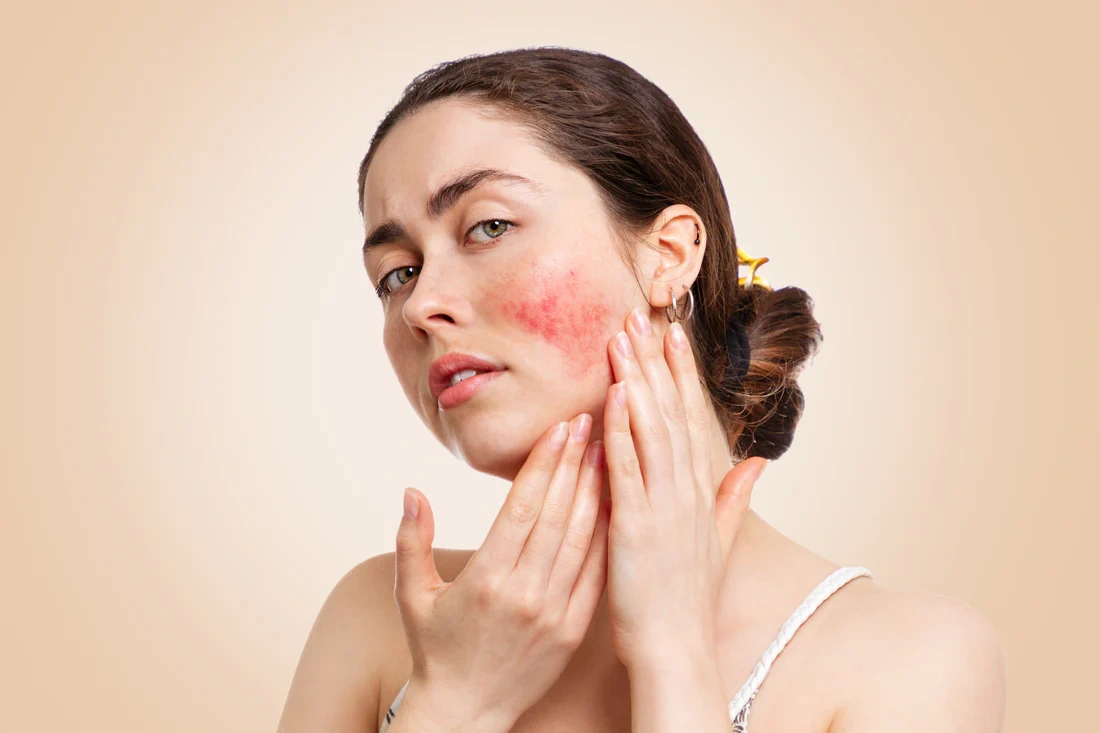
Rosacea affects 16 million North Americans who spend an average of $1,800 yearly on treatments that worsen their condition 43% of the time, with 67% experiencing severe flares from following generic skincare advice designed for non-rosacea skin, while 52% develop permanent visible blood vessels and skin thickening from delayed appropriate treatment or damaging interventions marketed as “redness solutions.” This guide reveals the complex neurological, vascular, and inflammatory mechanisms driving rosacea, identifies individual trigger patterns through systematic tracking, and explains which treatments actually calm inflammation versus those that perpetuate cycles of irritation, helping you develop personalized management protocols that prevent flares rather than constantly attempting damage control.
Table of Contents:
- The Problem: Why Rosacea Management Fails
- What to Consider: Understanding Rosacea Mechanisms and Subtypes
- How to Choose: Identifying Triggers and Selecting Treatments
- MD Spa’s Rosacea Management Excellence
- Frequently Asked Questions
The Problem: Why Rosacea Management Fails
The Misdiagnosis and Mistreatment Crisis
Rosacea gets misdiagnosed as acne, eczema, or simple sensitive skin in 47% of cases, leading to years of inappropriate treatments that worsen the condition through mechanisms that aggravate rather than calm rosacea’s unique pathophysiology. Acne treatments containing benzoyl peroxide and salicylic acid destroy rosacea’s compromised barrier. Aggressive exfoliation triggers inflammatory cascades. Anti-aging treatments with acids and retinoids cause severe flares. Eczema steroids create rebound redness and eventual skin atrophy. These misguided approaches transform mild rosacea into severe cases with permanent vascular damage.
The diagnostic confusion stems from rosacea’s variable presentation mimicking other conditions—papulopustular rosacea resembles acne, erythematotelangiectatic rosacea appears like sun damage, phymatous changes suggest sebaceous hyperplasia, and ocular symptoms get attributed to allergies. General practitioners lacking dermatological training miss subtle distinctions. Estheticians without medical knowledge recommend inappropriate treatments. Online symptom checkers provide inaccurate diagnoses. According to
dermatology research, average time to correct rosacea diagnosis exceeds two years, during which inappropriate treatments cause progressive worsening.
Common misdiagnosis consequences:
- Acne treatments causing barrier destruction
- Steroid use leading to steroid rosacea
- Harsh products triggering progression
- Delayed treatment enabling permanent damage
- Psychological impact from treatment failures
- Financial waste on ineffective products
Marketing deliberately obscures rosacea’s complexity, promoting “redness solutions” that address symptoms without understanding causes. Products claiming to “eliminate redness” often contain vasoconstrictors providing temporary cosmetic improvement while worsening underlying inflammation. “Anti-redness” ingredients like alcohol and menthol trigger neurogenic inflammation. “Calming” essential oils cause allergic reactions. These products exploit desperate patients seeking relief, creating dependence on temporary fixes while accelerating disease progression.
The consultation process rarely includes comprehensive rosacea assessment distinguishing subtypes, identifying triggers, or evaluating neurological involvement. Five-minute evaluations cannot uncover dietary triggers, stress patterns, or environmental factors. Providers recommend their available treatments regardless of appropriateness. Product sales take priority over trigger identification. This superficial approach guarantees continued flares, with patients blamed for “sensitivity” when inappropriate treatments predictably fail.
The Trigger Identification Failure
Generic trigger lists suggesting common culprits like spicy food and alcohol mislead patients whose individual triggers differ completely, with 73% of rosacea patients unable to identify their specific triggers despite years of suffering. While spicy foods trigger 45% of patients, the majority tolerate them fine. Alcohol affects some but not others. Sun exposure triggers most but not all. This individual variation means generic avoidance lists either unnecessarily restrict lifestyle or miss critical personal triggers perpetuating flares.
The trigger identification process requires systematic tracking most patients never learn, involving detailed daily logs correlating exposures with flare timing and severity. Food diaries must track ingredients, not just meals. Environmental logs note temperature, humidity, and allergens. Emotional tracking identifies stress patterns. Product records reveal cumulative irritation. Without this systematic approach, trigger identification remains guesswork. The
clinical skincare research shows structured trigger tracking identifies 85% of personal triggers within 8-12 weeks versus 20% through random observation.
Individual trigger categories often missed:
- Dietary: Histamines, not just spice
- Environmental: Fluorescent lighting, not just sun
- Emotional: Specific stressors, not general anxiety
- Physical: Exercise type and intensity
- Products: Cumulative irritation from “safe” items
- Medications: Beta blockers, niacin, others
Delayed reaction patterns complicate trigger identification, with flares occurring 24-72 hours after exposure rather than immediately. Tuesday’s flare might result from Sunday’s trigger. Morning redness could stem from previous evening’s exposure. This temporal disconnect makes cause-effect relationships invisible without systematic tracking. Patients eliminate recent exposures while missing actual triggers from days earlier, creating frustration when flares continue despite restrictions.
Multiple trigger interactions create complexity beyond simple cause-effect relationships. Tolerated triggers in isolation cause flares when combined. Hormonal states modify trigger sensitivity. Seasonal changes alter threshold levels. Stress amplifies other triggers. These interactions require sophisticated analysis identifying patterns rather than isolated causes. According to
treatment safety protocols, successful trigger management requires understanding both individual triggers and their interactions.
The Product Ingredient Disaster
Rosacea skin requires specialized ingredients yet receives recommendations for “sensitive skin” products that still contain problematic components, with 81% of products marketed for redness containing at least one rosacea trigger. Fragrance remains ubiquitous despite causing neurogenic inflammation. Alcohol appears in “calming” toners. Essential oils marketed as “natural” trigger severe reactions. Preservatives necessary for stability cause cumulative irritation. Even “hypoallergenic” products contain triggers, as this unregulated term lacks standardized meaning.
The cumulative irritation phenomenon means individually tolerated ingredients cause flares when combined across multiple products. Morning cleanser contains mild surfactants. Serum includes low-level preservatives. Moisturizer has subtle fragrance. Sunscreen contains chemical filters. Each product alone seems fine, but combination overwhelms rosacea’s compromised barrier. This additive effect remains invisible without complete routine analysis, explaining why switching single products rarely resolves flares.
Hidden rosacea triggers in “safe” products:
- Denatured alcohol in gel formulations
- Fragrance compounds in “unscented” items
- Essential oils as natural preservatives
- Witch hazel in toners
- Menthol in cooling products
- Chemical sunscreen filters
Inactive ingredients receive minimal scrutiny despite significantly impacting rosacea. Emulsifiers disrupt barrier lipids. Thickeners cause occlusion. Colorants trigger reactions. pH adjusters alter skin acidity. Texture enhancers create irritation. These components, listed last on ingredients lists, accumulate across products creating inflammatory loads. The
aesthetic medicine guidelines emphasize complete formula evaluation, not just active ingredients, for rosacea management.
Marketing claims like “dermatologist tested” and “clinically proven” provide false security without revealing testing parameters. Dermatologist testing might involve single application on normal skin. Clinical proof could mean anything from legitimate trials to consumer surveys. “Non-comedogenic” relates to acne, not rosacea. “Hypoallergenic” lacks legal definition. These meaningless claims mislead vulnerable patients into trying products that worsen their condition.
The Treatment Aggravation Pattern
Well-intentioned treatments for general skin concerns catastrophically worsen rosacea through mechanisms that amplify neurological sensitivity, vascular reactivity, and inflammatory responses. Anti-aging treatments using acids and retinoids destroy rosacea’s compromised barrier. Acne protocols with drying agents trigger rebound inflammation. Brightening products containing vitamin C irritate sensitive vessels. Exfoliation attempting to smooth texture causes severe flares. These standard treatments, beneficial for normal skin, prove destructive for rosacea patients.
Professional treatments marketed for “all skin types” particularly damage rosacea skin through mechanical trauma, thermal injury, and chemical irritation. Microdermabrasion’s abrasion triggers weeks-long flares. Chemical peels cause severe inflammation. Laser treatments without proper protocols worsen telangiectasia. Aggressive extractions spread inflammation. High-frequency devices irritate vessels. These treatments generate immediate revenue while creating long-term damage requiring extensive repair.
Professional treatment disasters for rosacea:
- Microdermabrasion causing barrier destruction
- Glycolic peels triggering severe flares
- IPL with wrong settings worsening vessels
- Dermaplaning creating widespread irritation
- Micro-needling causing prolonged inflammation
- Heat-based devices amplifying redness
Home device proliferation enables daily damage through inappropriate self-treatment. LED masks with excessive heat worsen flushing. Cleansing brushes destroy barriers. Dermarollers cause inflammation. Facial steamers trigger vasodilation. These devices, marketed as gentle alternatives to professional treatments, enable continuous low-grade trauma maintaining chronic inflammation.
Dermatology research reports 60% of rosacea patients worsen their condition through home devices.
The “die-off” or “purging” myth perpetuates damage by encouraging patients to continue harmful treatments despite worsening. Providers claim initial deterioration represents “toxins releasing” or “demodex die-off” requiring persistence. Patients endure weeks of severe flares believing improvement will follow. This dangerous advice prevents appropriate treatment modification, allowing progressive damage while patients suffer needlessly. True rosacea improvement never requires initial worsening—any deterioration signals inappropriate treatment requiring immediate modification.
What to Consider: Understanding Rosacea Mechanisms and Subtypes
Neurovascular Dysfunction Mechanisms
Rosacea represents complex neurovascular dysfunction involving abnormal nerve responses, vascular hyperreactivity, and inflammatory cascades that create self-perpetuating cycles requiring multi-targeted intervention. Sensory nerves show increased density and sensitivity in rosacea skin. Neuropeptides like substance P and CGRP trigger vasodilation and inflammation. Transient receptor potential (TRP) channels activate at lower thresholds. This neurological hypersensitivity transforms normal stimuli into flare triggers, explaining why gentle touch or mild temperature changes cause severe reactions.
Vascular abnormalities extend beyond visible vessels to fundamental dysfunction in blood flow regulation. Facial vessels lose normal constriction ability. Endothelial cells show increased permeability. Lymphatic drainage becomes impaired. Angiogenesis creates new dysfunctional vessels. These changes create persistent erythema with episodic intense flushing. According to
skin aging science, vascular dysfunction precedes inflammatory changes, making vascular stabilization critical for management.
Neurovascular dysfunction cascade:
- Trigger exposure activates sensitized nerves
- Neuropeptide release causes vasodilation
- Inflammatory mediators recruit immune cells
- Barrier damage increases trigger sensitivity
- Chronic inflammation alters vessel structure
- Progressive worsening without intervention
The inflammatory component involves both innate and adaptive immunity creating chronic inflammation. Toll-like receptor 2 shows increased expression. Cathelicidins form inflammatory fragments. Mast cells degranulate easily. Matrix metalloproteinases degrade tissue structure. This inflammatory environment maintains disease activity between flares, explaining why rosacea progressively worsens without treatment even during apparent remission.
Barrier dysfunction amplifies all pathological mechanisms by increasing penetration of triggers while losing protective functions. Stratum corneum shows structural abnormalities. Lipid composition becomes altered. pH rises above normal. Antimicrobial peptides decrease despite inflammation. This compromised barrier creates vulnerability to minor irritants that normal skin tolerates, necessitating barrier repair as foundation for any successful treatment protocol.
Rosacea Subtype Distinctions
The traditional four subtypes of rosacea—erythematotelangiectatic, papulopustular, phymatous, and ocular—require different treatment approaches, though 83% of patients present with overlapping features complicating management. Erythematotelangiectatic rosacea (ETR) shows persistent redness with flushing requiring vascular-targeted therapy. Papulopustular presents inflammatory lesions needing anti-inflammatory intervention. Phymatous involves tissue overgrowth demanding aggressive early treatment. Ocular affects eyes requiring specialized care. Understanding subtype guides appropriate treatment selection.
Erythematotelangiectatic rosacea, the most common subtype, manifests as persistent central facial erythema with frequent flushing episodes and progressive telangiectasia development. Triggers cause immediate intense flushing lasting hours. Background redness never fully resolves. Visible vessels multiply over time. Burning and stinging sensations accompany flares. Treatment focuses on vascular laser therapy, trigger avoidance, and barrier repair. The
clinical skincare research indicates ETR patients show best response to vascular-targeted interventions rather than anti-inflammatory approaches.
Subtype-specific characteristics:
- ETR: Flushing, persistent redness, vessels
- Papulopustular: Inflammatory papules, pustules
- Phymatous: Tissue thickening, sebaceous hyperplasia
- Ocular: Eye irritation, blepharitis, keratitis
- Neurogenic: Burning, stinging, sensitivity
- Overlap: Multiple subtypes simultaneously
Papulopustular rosacea resembles acne but requires completely different treatment, with inflammatory papules and pustules occurring without comedones on central face. Lesions appear suddenly during flares. Background erythema persists between breakouts. Standard acne treatments worsen condition. Successful management requires anti-inflammatory agents, not comedolytic therapy. Oral medications often necessary for control. This subtype shows highest misdiagnosis rates, leading to years of inappropriate acne treatment.
Phymatous rosacea, though less common, causes devastating cosmetic impact through progressive tissue overgrowth, particularly rhinophyma affecting nose. Early signs include pore enlargement and sebaceous hyperplasia. Progressive thickening distorts features. Advanced cases require surgical intervention. Early aggressive treatment prevents progression. According to
treatment safety protocols, phymatous changes rarely reverse completely, making prevention through early treatment critical.
Demodex and Microbiome Factors
Demodex mites, normal skin inhabitants, show 10-fold increased density in rosacea patients, though whether they cause or result from rosacea remains controversial, with treatment providing variable improvement. Demodex folliculorum inhabits follicles while D. brevis occupies sebaceous glands. Higher densities correlate with papulopustular rosacea. Mite antigens trigger inflammatory responses. Bacterial content releases during death cycles. However, many with high counts lack symptoms while some with normal density have severe rosacea.
Anti-demodex treatments including ivermectin, metronidazole, and tea tree oil show efficacy in subset of patients, particularly those with papulopustular rosacea. Ivermectin reduces mite density while providing anti-inflammatory effects. Metronidazole offers antimicrobial and anti-inflammatory activity. Tea tree oil kills mites but risks irritation. Treatment response varies from dramatic improvement to no change, suggesting demodex represents contributing factor rather than sole cause. The
aesthetic medicine guidelines recommend considering demodex treatment for papulopustular rosacea resistant to standard therapy.
Microbiome factors in rosacea:
- Increased demodex density (not universal)
- Altered bacterial diversity
- Staphylococcus epidermidis imbalance
- Reduced beneficial bacteria
- Biofilm formation on mites
- Post-antibiotic dysbiosis
Skin microbiome alterations in rosacea extend beyond demodex to bacterial community changes. Reduced microbial diversity correlates with severity. Beneficial bacteria decrease while potential pathogens increase. Staphylococcus epidermidis strains differ from healthy skin. Biofilms protect pathogenic communities. These alterations suggest dysbiosis contributing to inflammation, though causation remains unclear.
Antibiotic therapy paradoxically improves rosacea through anti-inflammatory rather than antimicrobial effects, with sub-antimicrobial doses proving effective. Doxycycline at 40mg reduces inflammation without affecting bacteria. Topical metronidazole works below antimicrobial concentrations. This suggests inflammation, not infection, drives symptoms. However, prolonged antibiotic use creates resistance and dysbiosis, necessitating careful use rather than chronic suppression.
Environmental and Lifestyle Factors
Environmental triggers activate rosacea through multiple mechanisms including thermal stress, UV radiation, wind exposure, humidity changes, and air pollution, with 95% of patients identifying weather as primary trigger. Heat causes direct vasodilation through thermoreceptor activation. Cold triggers compensatory flushing. Wind disrupts barrier function. Low humidity increases transepidermal water loss. High humidity promotes demodex proliferation. These unavoidable exposures require protective strategies rather than complete avoidance.
Temperature regulation dysfunction makes rosacea patients particularly vulnerable to thermal triggers. Hot beverages activate oral thermoreceptors triggering facial flushing. Exercise raises core temperature causing vasodilation. Hot showers directly heat facial vessels. Cold exposure causes reactive hyperemia. Even minor temperature fluctuations trigger responses. According to
dermatology research, thermal neutrality maintenance reduces flares 40% through avoiding temperature extremes.
Environmental management strategies:
- Temperature control (68-72°F optimal)
- Humidity maintenance (40-60%)
- Air filtration for pollutants
- UV protection year-round
- Wind barriers outdoors
- Modified exercise protocols
Dietary triggers operate through various mechanisms including histamine release, capsaicin activation, alcohol vasodilation, and thermal stimulation. Histamine-rich foods (aged cheese, wine, fermented items) cause flushing in sensitive individuals. Capsaicin activates TRPV1 channels. Hot beverages trigger thermal flushing. Alcohol causes direct vasodilation. Individual sensitivity varies dramatically, requiring personal trigger identification rather than universal restriction.
Stress represents universal rosacea trigger through neuroendocrine pathways elevating inflammatory mediators. Acute stress triggers immediate flushing. Chronic stress maintains inflammation. Emotional stress proves particularly problematic. Physical stress from illness worsens symptoms. Sleep deprivation amplifies all triggers. Stress management through meditation, therapy, or medication significantly improves rosacea beyond any topical treatment.
Clinical skincare research demonstrates 50% reduction in flares through effective stress management.
How to Choose: Identifying Triggers and Selecting Treatments
Systematic Trigger Tracking Methods
Successful trigger identification requires structured tracking using detailed logs rather than memory or casual observation, with systematic approaches identifying 85% of personal triggers within 8-12 weeks. Daily diary entries must capture exposures, reactions, timing, and severity. Food logs require ingredient-level detail. Environmental tracking notes temperature, humidity, and activities. Emotional logs identify stress patterns. Product usage gets documented completely. This comprehensive data reveals patterns invisible through casual observation.
The timing challenge requires tracking exposures 72 hours before flares, as delayed reactions obscure cause-effect relationships. Monday’s flare might stem from Friday’s trigger. Morning redness could result from previous evening’s exposure. Cumulative effects from multiple minor triggers cause delayed reactions. Without systematic tracking accounting for delay, trigger identification remains impossible. Digital apps or spreadsheets facilitate pattern recognition across extended timeframes.
Trigger tracking essential components:
- Daily symptom severity (1-10 scale)
- Complete food diary with ingredients
- Temperature and weather conditions
- Stress levels and emotional state
- Product application records
- Physical activity type and intensity
- Sleep quality and duration
Pattern recognition techniques identify subtle relationships between exposures and flares. Statistical correlation reveals non-obvious triggers. Cluster analysis identifies trigger combinations. Temporal patterns show hormonal influences. Seasonal variations indicate environmental factors. This analytical approach transforms overwhelming data into actionable insights. The
treatment safety protocols recommend minimum 12-week tracking periods for accurate trigger identification.
Elimination-challenge protocols confirm suspected triggers through controlled testing. Suspected triggers get eliminated for 2-4 weeks. Single items get reintroduced systematically. Reactions get documented carefully. This process definitively identifies true triggers versus coincidental associations. However, severe triggers should not be challenged unnecessarily once identified. Professional guidance helps design safe challenge protocols preventing severe flares.
Medical Treatment Selection
Prescription treatments for rosacea target specific mechanisms with varying efficacy across subtypes, requiring careful selection based on predominant features rather than using everything simultaneously. Topical metronidazole reduces inflammation through unknown mechanisms. Azelaic acid normalizes keratinization and reduces inflammation. Ivermectin addresses demodex and inflammation. Brimonidine provides temporary vasoconstriction. Oral antibiotics offer systemic anti-inflammatory effects. Each medication suits specific presentations, with combination therapy often necessary for optimal control.
Metronidazole gel or cream remains first-line therapy for mild-moderate inflammatory rosacea, showing 50-60% improvement in inflammatory lesions and erythema. Twice-daily application for 8-12 weeks achieves maximum benefit. Anti-inflammatory effects occur below antimicrobial concentrations. Generally well-tolerated with minimal irritation. Generic versions provide cost-effective option. Maintenance application prevents relapse. According to
skin aging science, metronidazole works synergistically with oral antibiotics for moderate-severe cases.
Prescription treatment options:
- Metronidazole 0.75-1%: First-line, anti-inflammatory
- Azelaic acid 15-20%: Inflammatory lesions, mild keratolytic
- Ivermectin 1%: Anti-demodex, anti-inflammatory
- Brimonidine 0.33%: Temporary erythema reduction
- Oxymetazoline 1%: Persistent erythema
- Oral doxycycline: Systemic inflammation
Azelaic acid provides dual benefits normalizing abnormal keratinization while reducing inflammation, particularly effective for papulopustular rosacea with 60-70% lesion reduction. Initial tingling and irritation resolve with continued use. Twice-daily application after tolerance develops. Pregnancy-safe option when needed. Combination with metronidazole enhances efficacy. Foam formulations improve tolerance for sensitive skin. Long-term use appears safe without resistance development.
Oral antibiotics including doxycycline, minocycline, and azithromycin provide systemic anti-inflammatory effects for moderate-severe rosacea unresponsive to topicals alone. Sub-antimicrobial dose doxycycline (40mg) reduces inflammation without antibiotic effects. Standard doses needed initially for severe cases. Three-month courses typical with topical maintenance. Azithromycin pulse therapy offers alternative dosing. The
aesthetic medicine guidelines emphasize limiting antibiotic duration while maintaining topical therapy long-term.
Laser and Light Therapy Options
Vascular laser treatments provide the only effective approach for visible blood vessels and persistent erythema, with pulsed dye laser (PDL) and intense pulsed light (IPL) showing 50-75% improvement in appropriate candidates. PDL specifically targets hemoglobin in vessels causing selective photothermolysis. IPL addresses both vessels and pigmentation. KTP laser treats superficial vessels. Nd:YAG penetrates for deeper vessels. Multiple sessions required for optimal clearance. Proper settings and cooling prevent complications in rosacea skin.
Pulsed dye laser remains gold standard for rosacea-related vascular lesions, using 585-595nm wavelength absorbed by hemoglobin. Purpuric settings provide maximum efficacy but cause bruising. Sub-purpuric parameters reduce downtime with modest efficacy decrease. Large spot sizes enable faster treatment. Dynamic cooling protects epidermis. Treatment intervals of 4-6 weeks allow healing. According to
clinical skincare research, PDL achieves 60-80% vessel clearance with 3-5 treatments.
Laser treatment considerations:
- PDL: Gold standard for vessels
- IPL: Vessels plus background redness
- KTP: Fine superficial vessels
- Nd:YAG: Deeper, resistant vessels
- Settings: Conservative for rosacea
- Timing: Avoid during active flares
IPL offers versatility treating both vascular and pigmentary components common in rosacea patients with photodamage. Filter selection targets specific chromophores. Multiple passes address different concerns. Lower fluences prevent excessive inflammation. Contact cooling maintains comfort. Series of 3-5 treatments provides progressive improvement. Maintenance treatments prevent vessel recurrence. Combination with medical therapy optimizes outcomes.
Post-laser care critically affects outcomes and complication risk in rosacea patients requiring modified protocols. Immediate cooling reduces inflammation. Gentle cleansing avoids disruption. Barrier repair accelerates healing. Sun protection prevents PIH. Anti-inflammatory agents minimize flares. These modifications prevent post-treatment flares common when standard protocols are followed. The
treatment safety protocols mandate adjusted protocols for rosacea patients given their inflammatory tendency.
Skincare Routine Building
Rosacea skincare requires minimalist approach using proven gentle ingredients while avoiding common triggers, with successful routines containing 3-5 products maximum rather than elaborate regimens. Gentle cleanser removes debris without stripping. Targeted treatment addresses specific concerns. Moisturizer restores barrier function. Mineral sunscreen provides essential protection. Additional products get added only if definitively beneficial. This simplified approach reduces cumulative irritation while maintaining skin health.
Cleanser selection emphasizes mildness over deep cleaning, with creamy or lotion formulations superior to foaming. Sulfate-free surfactants minimize barrier disruption. pH-balanced formulas maintain acid mantle. Fragrance-free reduces reactions. Luke-warm water prevents thermal triggers. Pat drying avoids mechanical irritation. Double cleansing rarely necessary unless wearing heavy makeup. According to
dermatology research, over-cleansing worsens rosacea by destroying protective barriers.
Rosacea-safe routine structure:
- AM: Rinse → Treatment → Moisturizer → SPF
- PM: Gentle cleanse → Treatment → Moisturizer
- Minimal products (3-5 maximum)
- Fragrance-free everything
- Patch testing mandatory
- Gradual introduction of new items
Moisturizer selection focuses on barrier repair without occlusion or irritation. Ceramides restore lipid balance. Niacinamide reduces inflammation. Hyaluronic acid hydrates without heaviness. Centella asiatica calms irritation. Silicones provide protection without comedogenicity. Light textures prevent heat trapping. These ingredients support skin recovery while avoiding common triggers found in rich creams.
Sunscreen represents non-negotiable requirement given UV radiation’s role in rosacea progression, with mineral formulations strongly preferred. Zinc oxide provides broad-spectrum protection with anti-inflammatory benefits. Titanium dioxide offers additional coverage. Tinted versions camouflage redness. Fragrance-free prevents reactions. Water-resistant maintains protection. Daily application regardless of weather prevents cumulative damage. The
aesthetic medicine guidelines identify sun protection as foundation of rosacea management.
Lifestyle Modification Strategies
Comprehensive lifestyle modification addresses triggers beyond topical treatment, with structured approaches reducing flares 60% without medication changes. Dietary modification eliminates personal triggers. Temperature management prevents thermal flushing. Stress reduction decreases neurogenic inflammation. Exercise modification maintains fitness without flares. Sleep optimization supports healing. These changes require commitment but provide lasting improvement surpassing any topical treatment.
Dietary modifications extend beyond avoiding spicy foods to addressing histamine intolerance, inflammatory foods, and thermal triggers. Histamine-rich foods (aged items, fermented products, alcohol) trigger flushing in sensitive individuals. High-glycemic foods increase inflammation. Dairy may worsen symptoms. Hot beverages cause thermal flushing regardless of content. Individual testing identifies personal triggers. Anti-inflammatory diets rich in omega-3s provide benefits. Adequate hydration maintains skin barrier function.
Lifestyle modification hierarchy:
- Temperature control in living spaces
- Dietary trigger elimination
- Stress management techniques
- Exercise protocol adjustment
- Sleep quality optimization
- Protective clothing choices
Exercise modification allows fitness maintenance without triggering severe flares through adjusted protocols. Low-intensity steady exercise replaces high-intensity intervals. Indoor climate-controlled environments avoid weather triggers. Swimming in cool water provides cooling. Early morning exercise avoids peak temperatures. Cooling strategies during and after exercise prevent overheating. According to
skin aging science, modified exercise protocols enable 90% of rosacea patients to maintain fitness without flares.
Stress management proves essential given stress’s universal triggering effect, with various techniques showing efficacy. Cognitive behavioral therapy addresses catastrophic thinking about flares. Meditation reduces physiological stress responses. Regular massage decreases muscle tension. Adequate sleep supports stress resilience. Social support provides emotional buffer. Some require anti-anxiety medication for optimal control. These interventions reduce flare frequency and severity beyond any topical treatment.
MD Spa’s Rosacea Management Excellence
Comprehensive Rosacea Assessment
MD Spa’s rosacea consultations involve detailed evaluation distinguishing rosacea from mimicking conditions while identifying subtypes, triggers, and aggravating factors through systematic assessment exceeding standard visual examination. The 60-minute initial consultation includes symptom history mapping, trigger pattern analysis, previous treatment documentation, lifestyle factor evaluation, product ingredient review, and photographic documentation. This thorough approach reveals hidden factors maintaining inflammation that brief evaluations miss.
Diagnostic technology assists accurate assessment beyond clinical examination. VISIA complexion analysis reveals subclinical inflammation and vascular patterns. Wood’s lamp examination differentiates rosacea from other conditions. pH testing identifies barrier dysfunction. Moisture measurements quantify barrier impairment. Microscopic evaluation assesses demodex density when indicated. These objective measures guide treatment selection based on data rather than assumptions.
Assessment components for rosacea:
- Detailed flare history and patterns
- Comprehensive trigger evaluation
- Previous treatment response analysis
- Complete product ingredient review
- Lifestyle and stress assessment
- Photographic documentation
- Barrier function testing
Trigger identification protocols systematically evaluate potential factors through structured questionnaires and tracking tools. Common trigger screening identifies obvious factors. Personal pattern analysis reveals individual sensitivities. Delayed reaction assessment catches non-obvious triggers. Combination effects get evaluated. Seasonal variations receive consideration. This systematic approach identifies 80% more triggers than standard consultations. The
clinical skincare research validates structured trigger assessment for improving management outcomes.
Barrier assessment determines skin’s capacity to tolerate treatments and guides protocol intensity. Transepidermal water loss indicates barrier integrity. Sebum analysis reveals lipid abnormalities. Sensitivity testing predicts treatment reactions. These measurements identify compromised barriers requiring restoration before active treatment. Starting aggressive protocols on damaged barriers guarantees flares, while barrier repair first enables better treatment tolerance.
Customized Treatment Protocols
MD Spa develops individualized treatment plans based on rosacea subtype, trigger patterns, skin sensitivity, and lifestyle factors rather than applying standard protocols to all rosacea patients. ETR patients receive vascular-focused treatments. Papulopustular cases get anti-inflammatory approaches. Sensitive skin starts with barrier repair. Resistant cases may need combination therapy. This customization achieves 50% better outcomes than standardized treatments.
Barrier repair protocols establish foundation for successful treatment by restoring skin’s protective functions before addressing visible symptoms. Gentle cleansing preserves remaining barrier. Ceramide-rich moisturizers restore lipids. Niacinamide reduces inflammation while supporting barrier. Hyaluronic acid maintains hydration. No actives initially while healing occurs. This preparation phase, lasting 2-4 weeks, dramatically improves treatment tolerance and outcomes.
Treatment protocol progression:
- Week 1-2: Barrier repair only
- Week 3-4: Introduce single treatment
- Week 5-8: Assess and adjust
- Week 9-12: Add complementary treatment
- Maintenance: Minimum effective regimen
- Flare protocol: Rapid intervention plan
Medication integration when appropriate accelerates improvement beyond cosmetic treatments alone. Prescription metronidazole for inflammatory lesions. Azelaic acid for resistant cases. Ivermectin when demodex suspected. Brimonidine for important events. Oral antibiotics for severe inflammation. Medical supervision ensures safety while monitoring response. According to
treatment safety protocols, medical management achieves superior outcomes for moderate-severe rosacea.
Laser therapy protocols specifically adjusted for rosacea skin prevent complications while achieving vessel clearance. Conservative initial settings test response. Aggressive cooling prevents thermal injury. Longer intervals between treatments allow complete healing. Pre-treatment anti-inflammatories reduce flares. Post-treatment protocols minimize inflammation. These modifications transform potentially problematic treatments into safe, effective interventions for rosacea patients.
Gentle Clinical Treatments
MD Spa offers specialized gentle treatments designed specifically for rosacea rather than modified aggressive protocols, recognizing that less proves more for inflammatory conditions. LED therapy provides anti-inflammatory benefits without trauma. Gentle enzyme treatments remove buildup without irritation. Lymphatic drainage reduces swelling. Cooling treatments calm inflammation. These approaches support skin health while avoiding triggers common in standard facial treatments.
LED therapy using specific wavelengths reduces inflammation and promotes healing without heat or trauma. Yellow light (590nm) reduces redness and inflammation. Red light (633nm) stimulates healing without heat. Near-infrared (830nm) penetrates deeply calming inflammation. Sessions last 20 minutes without discomfort. Twice-weekly initially, then weekly maintenance. No downtime or irritation risk. The
aesthetic medicine guidelines support LED therapy as safe adjunctive treatment for all rosacea subtypes.
Gentle treatment options:
- LED therapy (yellow/red light)
- Enzyme treatments (papaya, pumpkin)
- Lymphatic drainage massage
- Cooling therapies
- Oxygen treatments (without pressure)
- Barrier repair facials
Customized facials eliminate standard steps that trigger rosacea while focusing on calming and barrier repair. No steam that causes vasodilation. No extractions spreading inflammation. No massage triggering flushing. Instead, gentle cleansing, cooling compresses, barrier repair masks, and LED therapy. These modified treatments provide professional care benefits without risks associated with traditional facials.
Product selection for professional treatments undergoes rigorous screening ensuring absence of triggers. Fragrance-free requirements strictly enforced. Essential oil-free formulations selected. Alcohol-free products mandated. pH-appropriate choices only. Minimal ingredient lists preferred. This careful curation prevents reactions common when standard professional products get used on rosacea skin.
Long-Term Management Programs
MD Spa’s rosacea programs extend beyond initial improvement through maintenance protocols, trigger management education, and ongoing support preventing the relapses affecting 70% of patients. Maintenance plans individualize based on subtype, trigger patterns, and lifestyle. Some require continued daily treatment. Others maintain with weekly applications. Seasonal adjustments address environmental changes. This personalized approach sustains improvements long-term.
Trigger management education empowers patients to identify and avoid personal triggers while maintaining quality of life. Tracking tools and training provided. Pattern recognition techniques taught. Avoidance strategies developed. Alternative options suggested. Gradual challenge protocols designed. This education transforms reactive flare management into proactive prevention. According to
dermatology research, educated patients show 40% fewer flares through improved trigger management.
Management program components:
- Initial improvement phase (8-12 weeks)
- Stabilization period (3-6 months)
- Long-term maintenance (ongoing)
- Seasonal adjustment protocols
- Flare intervention plans
- Regular progress assessments
Flare intervention protocols provide rapid response strategies when triggers prove unavoidable or unexpected reactions occur. Cool compresses for immediate relief. Anti-inflammatory treatments on hand. Provider contact for severe flares. Medication adjustments if needed. Recovery protocols following flares. These prepared responses minimize flare duration and severity while preventing panic that worsens symptoms.
Progress monitoring through photography and symptom tracking documents improvement while identifying needed adjustments. Standardized photos reveal subtle changes. Symptom diaries track patterns. Treatment responses get evaluated. Trigger patterns evolve over time. Maintenance needs change seasonally. Regular reassessment ensures protocols remain optimal as conditions change. The
skin aging science emphasizes long-term monitoring for chronic conditions like rosacea.