Botox for TMJ
Persistent jaw tension, teeth clenching, and facial muscle pain can make daily activities difficult. Botox injections may be considered when other treatments fail.
Additional Services
Understanding Botox for TMJ
The temporomandibular joints (TMJs) connect your lower jaw to your skull and help you speak and chew. Disorders affecting these joints or nearby muscles are called temporomandibular disorders (TMDs). Symptoms include pain, stiffness, headaches, and difficulty chewing.
Botox contains botulinum toxin type A, which temporarily reduces muscle activity. Clinicians may consider injections into jaw muscles when excessive activity contributes to symptoms. However, Botox is not specifically authorised by Health Canada for TMD, and evidence of its effectiveness is mixed.
Finding the cause of jaw pain matters. Joint inflammation, muscle strain, and teeth grinding can cause similar symptoms but may need different treatments.
How Botox May Affect Jaw Muscle Activity
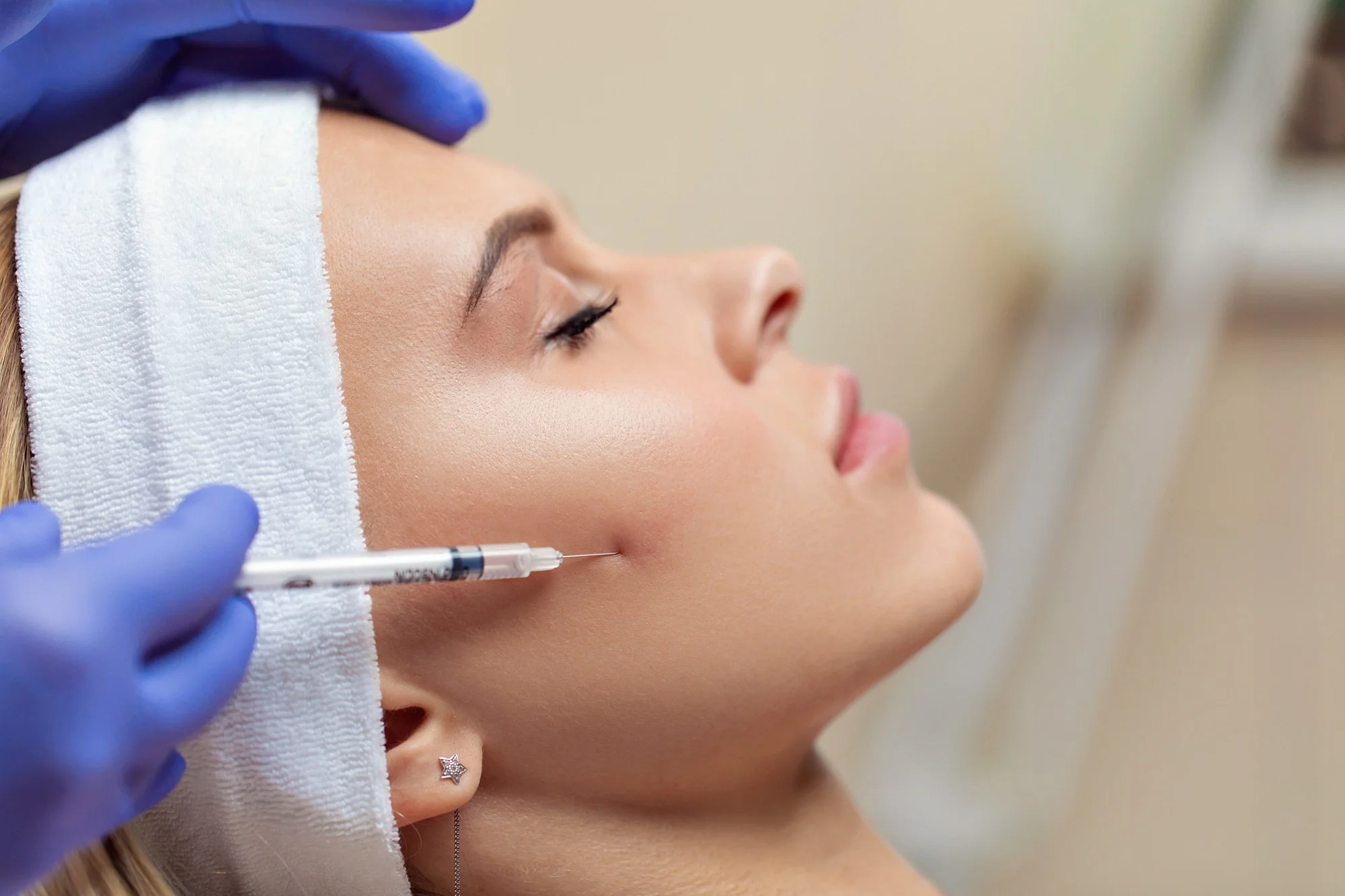
The masseter muscles are along the sides of the jaw and help with chewing. Repeated clenching or excessive muscle activity can cause tenderness and muscle fatigue for some. When botulinum toxin is injected into a muscle, it temporarily reduces nerve signals that cause contraction. This may decrease excessive muscle activity, but it does not correct every cause of jaw pain or joint dysfunction.
A healthcare professional should review your symptoms, medical history, and previous treatments before injections. Possible side effects include bruising, chewing weakness, changes in facial movement, and other complications. Less invasive care is often considered first.
Our Process
-
Initial Assessment
A healthcare professional reviews jaw issues, medical history, and past care.
-
Discussing Treatment Options
Your symptoms and assessment help determine if further care or referral is needed.
-
Procedure and Follow-Up
If injections are appropriate, the practitioner explains the procedure and aftercare.
Our Services
Excessive Sweating Treatment
Helps reduce sweating by blocking the signals that activate sweat glands.
FAQS
Frequently Asked Questions
TMJ refers to the jaw joint. Pain may result from muscle tension, teeth grinding, joint inflammation, or other jaw-related conditions.
Botox may reduce jaw muscle activity and certain symptoms, but results vary, and its effectiveness for TMJ disorders remains uncertain.
The muscle-relaxing effects generally last three to four months, although the duration and impact on jaw pain vary between individuals.
Injections may cause brief discomfort, tenderness, or bruising. Some patients also experience temporary chewing weakness or changes in facial movement.
Yes. Other approaches include jaw exercises, physiotherapy, oral appliances, and self-care measures, depending on the cause of your symptoms.
Book Your Appointment
Please note: Submitting this form does not confirm your appointment. Your request will be sent to our team, and someone will contact you to confirm availability and finalize the booking.